
How to Fix a Leak Under the Kitchen Sink (Without Calling a Plumber)

Updated: Jun 20
🔧 Products Used In This Video
As an Amazon Affiliate I reciece commision on purchases
Finding water underneath your kitchen sink can be frustrating, but before calling a plumber, there’s a good chance the problem is something simple you can fix yourself in just a few minutes.
One of the most common kitchen sink leaks comes from the tailpiece connection underneath the basket strainer. This leak often looks worse than it actually is, and many homeowners end up paying for a service call over a repair that can cost less than a dollar.
In this guide, I’ll show you:
what causes this common kitchen sink leak
how to identify it properly
how to replace the T washer gasket
and how to test the repair afterward
This is one of the easiest DIY plumbing repairs you can do yourself.
What Causes Water Under a Kitchen Sink?
When homeowners see water under the sink, they often assume:
the drain pipe is cracked
the sink basket is leaking
or a major plumbing repair is needed
But many times, the actual problem is much smaller.
One of the most common causes is a leaking tailpiece gasket, also known as a T washer.
This small rubber or plastic washer creates the seal between:
the sink basket strainer
and the vertical tailpiece pipe
Over time, these washers can:
dry out
crack
warp
shift out of place
or become coated with grime and buildup
Once that seal fails, water slowly drips down the tailpiece and collects at the bottom of the cabinet.

First Step: Trace the Water Upward
One of the biggest mistakes homeowners make is fixing the wrong area.
Water travels.
A leak that appears at the bottom of the cabinet may actually be starting much higher up near the sink drain connection.
Before replacing any parts:
Dry everything thoroughly
Run water slowly
Watch carefully with a flashlight
Trace the leak upward to its highest point
In many cases, you’ll notice water forming around the tailpiece nut directly underneath the basket strainer.
That’s usually a strong sign the T washer is failing.

What Is a Tailpiece?
The tailpiece is the vertical drain pipe connected directly underneath the kitchen sink basket strainer.
It carries wastewater down into:
the P-trap
and eventually into the home’s drainage system
Tailpieces are commonly made from:
chrome
plastic
brass
PVC
or ABS
The connection at the top relies on a simple compression-style seal using the T washer gasket.
How to Fix the Leak Step-by-Step
Step 1: Empty the Cabinet
Before starting:
remove cleaning supplies
place a towel or small bucket underneath the drain
Even a small amount of trapped water may spill out during the repair.
Step 2: Loosen the Tailpiece Nut
Locate the nut connecting the tailpiece to the basket strainer.
In many homes, this nut is:
hand-tightened
or only lightly snugged
Try loosening it by hand first.
If necessary, use:
channel lock pliers
adjustable pliers
or a small pipe wrench
Be careful not to overtighten or damage older plastic fittings.
Step 3: Remove the Old T Washer
Once the nut is loosened:
slide the tailpiece downward slightly
remove the old washer
A damaged washer will often appear:
flattened
crooked
brittle
warped
or dirty
Even slight deformation can allow water to leak through.
How Much Does a T Washer Cost?
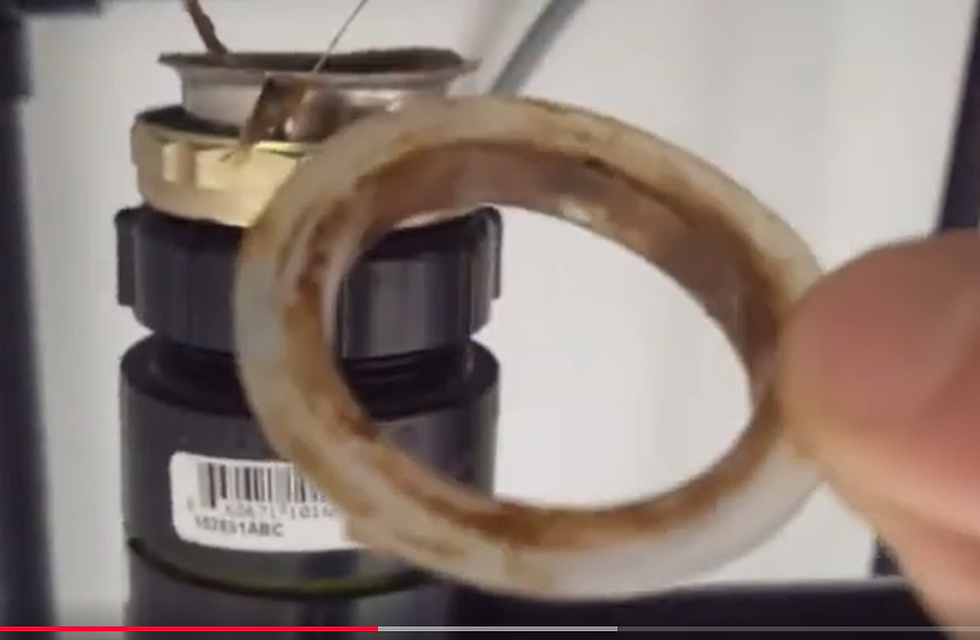
This is one of the cheapest plumbing repairs possible.
Most T washers cost:
between $0.25 and $1.00
They are available at:
hardware stores
plumbing supply stores
home improvement centers
Bringing the old washer with you helps ensure you get the correct size.
Installing the New Washer
Install the new washer carefully and make sure it sits evenly inside the connection.
If the washer is crooked or pinched:
the leak may continue
or become worse
Once properly seated:
slide the tailpiece back into place
tighten the nut securely
snug both connections evenly
Do not overtighten.
Too much force can:
crack plastic fittings
deform the washer
or create another leak
Final Step: Test the Repair
After tightening everything:
run hot and cold water
fill the sink partially
drain it while inspecting underneath
Watch closely for:
drips
moisture buildup
slow seepage around the nut
If everything remains dry, the repair was successful.
Common Signs of a Tailpiece Leak
You may have a leaking T washer if you notice:
water directly below the sink drain
slow drips underneath the basket strainer
water stains on the tailpiece
musty smells under the sink
warped cabinet flooring
moisture after using the sink
These leaks are usually small at first but can cause expensive cabinet damage over time.
When Should You Call a Plumber?
You may need a plumber if:
the basket strainer itself is leaking
the drain pipes are cracked
the leak continues after replacing the washer
corrosion has damaged the fittings
the pipes do not align correctly
or multiple drain connections are leaking
But for a simple T washer replacement, most homeowners can handle this repair themselves in just a few minutes.
Frequently Asked Questions
Why is my kitchen sink leaking underneath?
One of the most common causes is a worn-out gasket or T washer underneath the basket strainer connection.
Can I fix a kitchen sink leak myself?
Yes. Many kitchen sink leaks are simple DIY repairs involving tightening fittings or replacing inexpensive washers.
What is a T washer in plumbing?
A T washer is a gasket used to seal the connection between the sink basket strainer and the tailpiece drain pipe.
Should sink drain nuts be hand-tightened?
No, They should be hand tightened and then use an adjustable wrench or pliers to give it a small snug. Don't over tighten.
Why does the leak only happen when water is running?
This usually means the leak is part of the drain system rather than the water supply. However check under the sink to ensure the water is not trickling down from the faucet.
How long do sink drain washers last?
Drain washers can last for 50 years, but eventually they dry out, warp, or lose their sealing ability. There is no exact time.
Final Thoughts
A leaking kitchen sink can look intimidating, but many times the repair is surprisingly simple.
Replacing a worn T washer is one of the easiest plumbing repairs a homeowner can make, and it can prevent:
water damage
mold growth
cabinet deterioration
and unnecessary plumbing bills
Sometimes a repair costing less than a dollar is all it takes to solve the problem.
🔧 Products Used In This Video
As an Amazon Affiliate I reciece commision on purchases


Comments